Biography
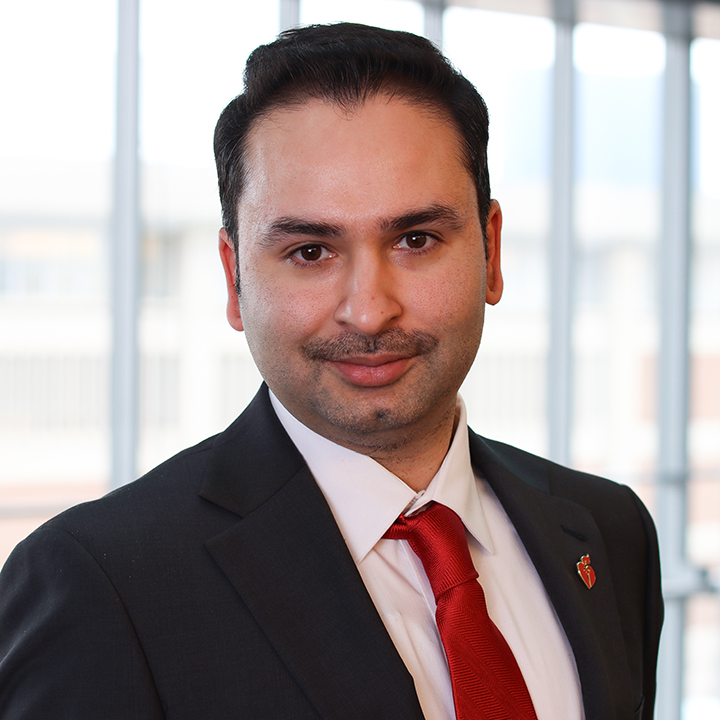
Navin Kaushal, Ph.D., FACSM, FAHA, is an associate professor in the Department of Health Sciences at the School of Health & Human Sciences, where he also serves as the director of research for the Department of Health Sciences. Kaushal is a fellow of the American College of Sports Medicine and a fellow of the American Heart Association, distinctions achieved by demonstrating research excellence in each organization’s respective field.
Kaushal is the director of the Preventive Medicine Lab, which is a vibrant laboratory environment equipped with technology and resources for investigating behavior change research. The lab provides opportunities for undergraduate and graduate students to join current ongoing and conduct their own projects. His lab produces theory-driven methodological research to investigate behavior change determinants and outcomes of exercise among those at risk, or diagnosed with cardiovascular disease, and aging-related conditions. He has also conducted clinical trials in real-world environments aimed at maximizing findings for knowledge translation. Kaushal’s lab has produced and has ongoing work with international and interdisciplinary research teams.
Kaushal’s work complements existing areas of research in the department, such as healthy aging, and extends the investigation to community-based contexts. His work also brings novel investigative approaches to the department, such as understanding how the synergy of conscious (e.g., motivation) and automatic (e.g., habit) processes predict behavioral maintenance.
Kaushal has published as a primary author in some of the leading journals in his discipline. He is the first researcher to scientifically calculate and publish the minimal time, behavioral, and psychological requirements to successfully establish an exercise habit. His findings have received international attention across various media sources, including the Canadian Psychological Association, Psychology Today, and The Wall Street Journal. He also enjoys translating his findings to relevant communities such as individuals affected by heart disease, gym/recreation centers, and the Alzheimer’s Society. Please contact him if you are interested in pursuing graduate studies or research opportunities under his supervision.